
Moisture Investigation & Leak Inspection in Old Town, NC
Professional moisture investigation & leak inspection for Old Town homes and businesses. Cleaning and restoration services for Old Town's historic properties and homes.
Why Old Town Homes Need Quality Moisture Investigation & Leak Inspection
Old Town's historic homes require careful cleaning approaches — hardwood floors, original tile work, and antique carpets demand specialized techniques. Older construction is also more susceptible to moisture intrusion and mold issues due to aging materials and ventilation systems.
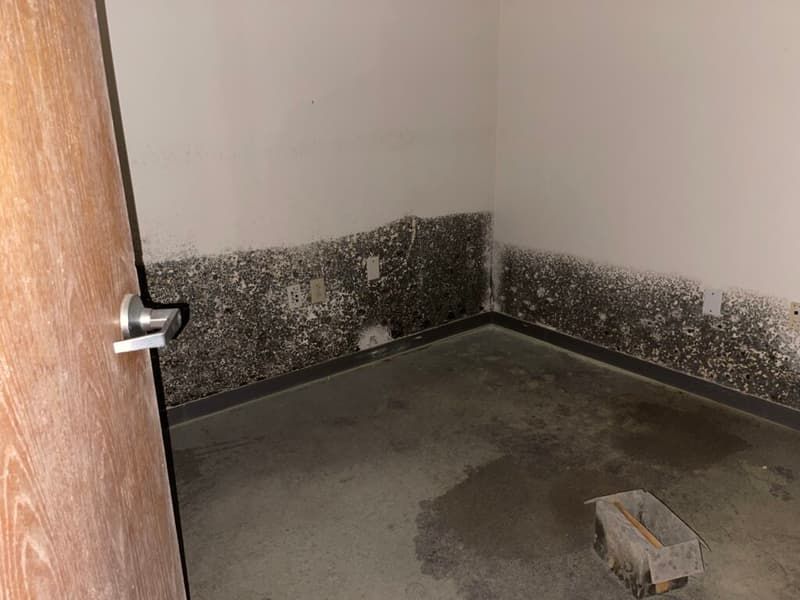
Not all water damage is visible. Slow leaks behind walls, under floors, and in crawl spaces can go undetected for months — causing mold growth, wood rot, and structural deterioration. Sano Steam's moisture investigation service uses professional-grade moisture meters, thermal imaging, and visual inspection to locate hidden water sources. Early detection saves thousands in remediation and repair costs. This service is especially important in Wilmington's humid coastal climate where ambient moisture compounds the effects of even small leaks.
Moisture investigation in Old Town is forensic building science performed on some of the most complex structures in New Hanover County. Historic homes built in the 1800s and early 1900s were designed with moisture management approaches fundamentally different from modern construction — brick and stone foundations that manage moisture through evaporation rather than exclusion, plaster walls that absorb and release humidity seasonally, and building envelopes that breathe freely through gaps that modern construction would seal. When these historic systems interact with the 21st-century addition of air conditioning — which changes the temperature and humidity gradients within the building envelope — new moisture dynamics emerge that the original builders never anticipated. Condensation can form inside wall cavities where cool conditioned air meets warm humid exterior air. Moisture can migrate through masonry in directions it historically did not because AC has changed the vapor pressure differential. HVAC systems retrofitted into crawl spaces can produce condensation that wets original wood framing. Understanding and diagnosing these moisture pathways requires both building science expertise and specific knowledge of historic construction methods — a combination that general contractors and handymen rarely possess.
An Old Town homeowner notices plaster deterioration on a ground-floor interior wall and suspects moisture, but there is no plumbing in that wall — investigation reveals moisture migrating through the brick foundation from groundwater pressure during wet periods. A resident has persistent dampness in a first-floor room that correlates with air conditioning use, and thermal imaging reveals condensation forming inside the wall cavity where the AC-cooled interior surface meets the humid exterior masonry. A family finds that certain rooms in their historic home always feel damp despite the AC running, and moisture mapping traces the source to the crawl space where the retrofitted HVAC system's condensate line is draining directly onto the soil. A buyer under contract for an Old Town property wants a thorough moisture investigation to understand how the building manages water, as the home inspector flagged multiple concerns without determining root causes. A homeowner discovers efflorescence — white mineral deposits — on the interior of the basement walls, indicating ongoing moisture migration through the masonry that could be feeding hidden mold. A historic property with a recent renovation has moisture appearing at the junction of new and old construction, where different building materials create a moisture discontinuity.
Moisture investigation in Old Town's historic properties requires understanding how 19th-century construction interacts with modern HVAC systems and 21st-century climate conditions. Sano Steam uses thermal imaging, pin and pinless moisture meters, and hygrometers to trace moisture through complex historic building assemblies, delivering documented findings with preservation-compatible recommendations. Our team has been investigating moisture problems in Wilmington's historic homes since 1989. Three miles from Old Town on Wrightsville Avenue. Call (910) 350-0000 to schedule your moisture investigation.
4.9
Star Rating
869+
Reviews
30+
Years
3
From Office
What Our Moisture Investigation & Leak Inspection Includes
Serving Old Town with comprehensive moisture investigation & leak inspection
Need Moisture Investigation & Leak Inspection in Old Town?
Book online or call (910) 350-0000 — we're 3 miles from our office
(910) 350-0000Moisture Investigation & Leak Inspection FAQ for Old Town
Common signs include musty odors, visible mold or mildew, peeling paint or wallpaper, warped flooring, unexplained allergy symptoms, or high humidity readings. If you've had previous water damage, periodic moisture checks are a smart preventive measure.
Other Services in Old Town
Moisture Investigation & Leak Inspection in Nearby Areas
Schedule Your Service
Book your appointment online — or call us directly. We typically respond within 1 business hour.
Prefer to talk? Call (910) 350-0000