
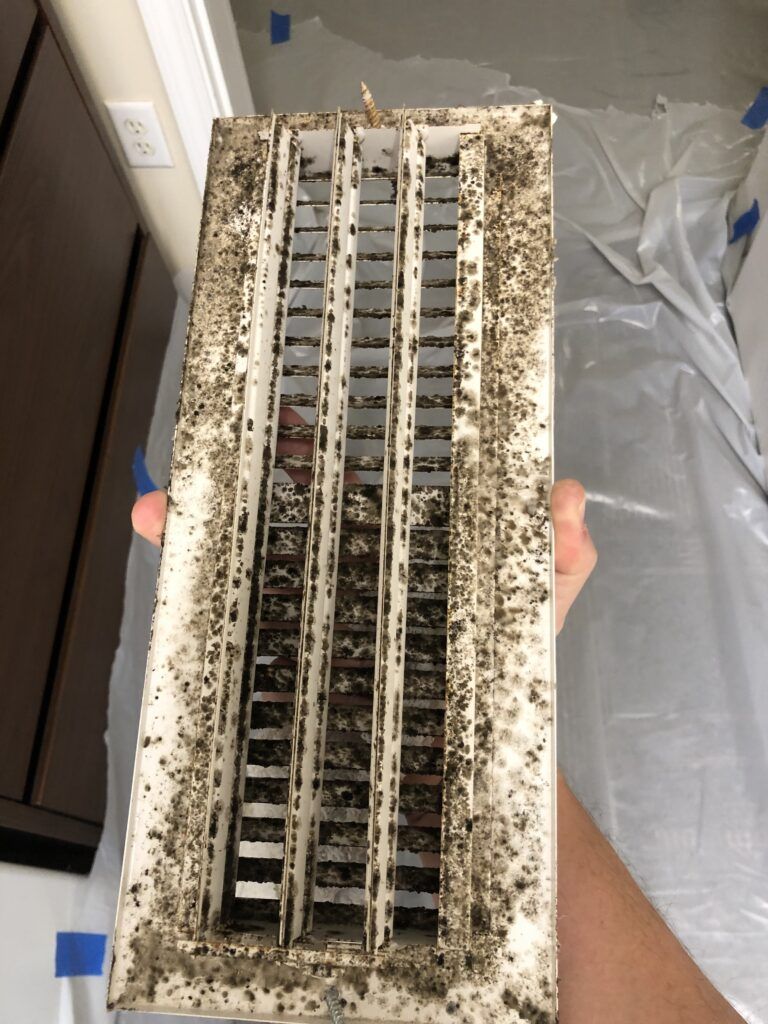
Mold testing can confirm what you suspect, reveal what you can't see, and give you the information needed to address a mold problem effectively. But it's not always necessary. At Sano Steam Cleaning & Restoration, we believe in honest advice — including telling you when you don't need to spend money on testing.
Here's when professional mold testing is worth the investment, and when you can skip it.
When You SHOULD Get Mold Testing
1. You Smell Mold But Can't See It
A persistent musty odor — especially one that gets stronger in certain rooms or when the HVAC runs — strongly suggests hidden mold growth. The EPA recommends that if you can't find visible mold but suspect it based on odor or health symptoms, professional testing can confirm its presence and help locate the source.
Our mold testing service includes air sampling that detects elevated mold spore levels even when the colony is hidden behind walls, under floors, or in crawl spaces.
2. You're Buying or Selling a Home
For home buyers, mold testing is a smart addition to the standard home inspection — especially in Wilmington, where moisture and mold are endemic. A clean mold test provides peace of mind; an elevated result gives you negotiating power or the chance to walk away from a costly problem.
For sellers, pre-listing mold testing demonstrates transparency and can prevent deals from falling through at the last minute.
3. After Water Damage Has Been Dried
Even after professional water damage restoration, mold testing can verify that the drying was thorough enough to prevent mold growth. This is particularly important for insurance documentation — a clean post-remediation mold test closes out the claim and confirms the work was effective.
4. Unexplained Health Symptoms
If household members are experiencing chronic respiratory issues, unexplained allergies, persistent headaches, or fatigue that improves when they're away from home, mold could be the cause. Testing can confirm or rule out mold as a contributing factor, helping you and your healthcare provider make informed decisions.
5. Before and After Remediation
Pre-remediation testing establishes the baseline — what species are present, in what concentrations, and where. Post-remediation testing (called "clearance testing") verifies that the mold remediation was successful. The IICRC S520 standard recommends clearance testing by an independent party after every remediation project.
6. You're in a High-Risk Area
Wilmington's coastal location, high humidity, and storm exposure make it one of the highest-risk areas for mold in North Carolina. Homes with crawl spaces, older homes without modern vapor barriers, and properties near the coast or waterways are at elevated risk. Read why Wilmington homes are especially prone to mold for more context.
When You DON'T Need Mold Testing
You Can See the Mold
If mold is visible, you already know you have a problem. The EPA's position is clear: if you can see mold, clean it up regardless of species. You don't need to identify what type it is before removing it. Testing in this case often delays remediation without changing the course of action.
Small Surface Mildew
Mildew on shower grout, window sills, or other consistently damp surfaces is common and can usually be addressed with cleaning and improved ventilation. Read our guide on mold vs. mildew to understand the difference.
What Professional Mold Testing Involves
At Sano Steam, our mold testing process includes:
- Air sampling: Collecting air samples from multiple locations (both inside and outside) to compare indoor vs. outdoor spore levels
- Surface sampling: Tape lifts or swab samples from visible growth to identify species
- Moisture mapping: Using meters and thermal imaging to identify moisture sources feeding the mold through our moisture investigation service
- Laboratory analysis: Samples are sent to an accredited third-party lab for identification and quantification
- Detailed report: Results with interpretation, recommendations, and remediation scope if needed
Understanding Your Results
Mold spores are always present in air — indoors and out. A mold test doesn't look for zero mold (that's impossible). Instead, it compares indoor levels to outdoor levels. If indoor spore counts are significantly higher than outdoor counts, or if certain species (like Stachybotrys or Chaetomium) are found indoors but not outdoors, that indicates a moisture and mold problem that needs attention.
Schedule a Mold Test
Whether you smell something suspicious, you're buying a home, or you just want peace of mind about your coastal home's air quality, Sano Steam's testing team can help. Veteran-owned since 1989, with over 869 reviews and a 4.9-star rating. Call (910) 350-0000 to schedule a mold assessment.