
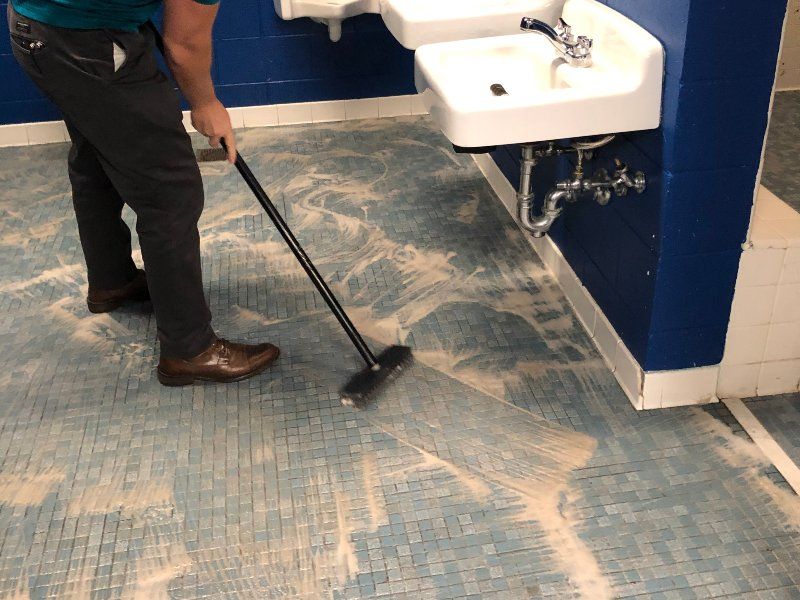
You scrub and scrub, but those grout lines between your tiles keep turning darker. Eventually they go black, and no amount of store-bought cleaner seems to help. Sound familiar? You're not alone — discolored grout is one of the most common complaints we hear from Wilmington homeowners.
At Sano Steam Cleaning & Restoration, we've been restoring tile and grout across southeastern North Carolina since 1989. Here's what's really happening when your grout turns black — and what you can do about it.
Why Grout Turns Black
Grout is porous. That means it absorbs moisture, dirt, soap residue, body oils, and anything else that lands on it. Over time, this buildup causes discoloration. But there's a more concerning cause: mold and mildew growth.
According to the CDC's mold information page, mold thrives in warm, damp environments — exactly the conditions found in bathrooms, kitchens, and laundry rooms. Wilmington's coastal humidity makes this even worse, creating a near-constant supply of moisture for mold to feed on.
The Main Culprits
- Mold and mildew: The most common cause of black grout, especially in bathrooms. Mold colonies embed themselves deep in the porous grout surface.
- Soap scum buildup: Soap residue creates a sticky film that traps dirt and provides a food source for mold.
- Hard water deposits: Mineral-rich water leaves behind calcium and lime deposits that darken over time.
- Dirty mop water: Using a mop with dirty water actually pushes grime deeper into grout lines instead of cleaning them.
- Worn or missing sealer: Grout sealant wears off over time, leaving grout exposed and vulnerable to staining.
Is Black Grout Dangerous?
If the discoloration is caused by mold, the answer is potentially yes. Mold spores become airborne and can trigger allergic reactions, asthma attacks, and respiratory issues. This is especially concerning for children, the elderly, and anyone with compromised immune systems.
The EPA's mold resource page recommends addressing mold problems promptly to prevent health effects and structural damage. If you suspect mold beyond surface-level discoloration, consider professional mold testing to determine the extent of the problem.
DIY vs. Professional Grout Cleaning
What You Can Try at Home
For light surface discoloration, a paste of baking soda and water applied with a stiff brush can help. White vinegar works on soap scum. Hydrogen peroxide (3%) can kill surface mold. However, these methods have serious limitations:
- They only address surface-level staining
- They can't reach mold that's penetrated deep into porous grout
- Harsh chemicals like bleach can actually damage grout over time
- Aggressive scrubbing erodes grout, making it even more porous
When to Call a Professional
Professional tile and grout cleaning uses high-temperature steam and specialized extraction equipment that reaches deep into the grout's porous surface. At Sano Steam, our process removes embedded mold, bacteria, and grime that household cleaning can't touch — all without harsh chemicals.
After deep cleaning, we apply a professional-grade sealer that protects grout from future staining and moisture penetration. This sealer lasts significantly longer than consumer products and provides a barrier against the humidity that Wilmington homes constantly battle.
Preventing Black Grout
Once your grout is professionally cleaned and sealed, maintain it with these habits:
- Ventilate bathrooms: Run exhaust fans during and for 20 minutes after showers
- Squeegee shower walls: Removing excess water after each use dramatically reduces mold growth
- Use clean mop water: Change water frequently and use a pH-neutral cleaner
- Reseal annually: Grout sealer wears down over time, especially in high-moisture areas
- Address leaks immediately: Even small leaks feed mold growth behind tiles. If you notice persistent moisture, our moisture investigation service can identify hidden problems.
The Wilmington Grout Challenge
Coastal North Carolina homes face unique challenges. Humidity levels regularly exceed 80% in summer, and homes near Wrightsville Beach, Carolina Beach, and the Intracoastal Waterway experience even higher moisture levels. This means grout in Wilmington homes needs more attention than in drier climates.
If your grout has turned black and DIY methods aren't cutting it, it's time for professional intervention. Read more about why Wilmington homes are especially prone to mold and how to fight back.
Get Your Grout Looking New Again
Sano Steam's veteran-owned team has been restoring tile and grout in Wilmington since 1989. With our chemical-free cleaning options and professional-grade sealing, we can make your grout look new again — and help it stay that way. Call (910) 350-0000 for a free estimate.