
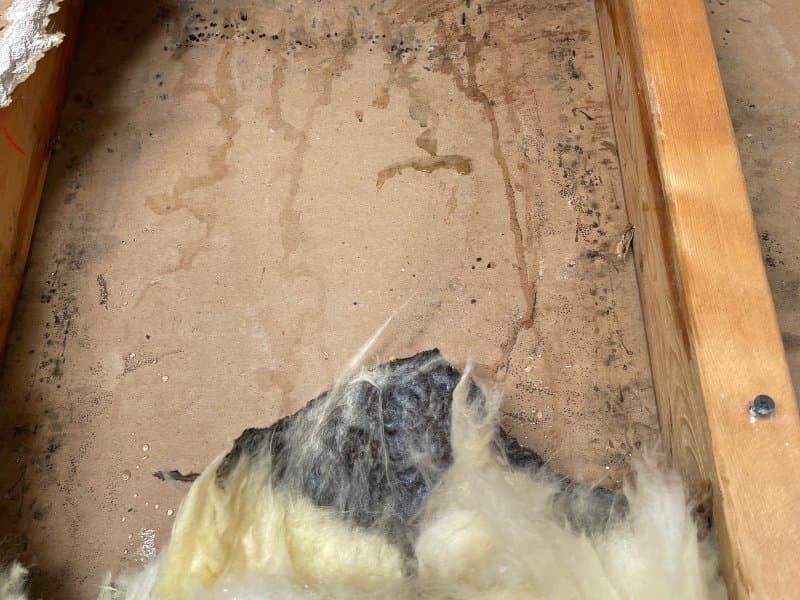
In coastal North Carolina, moisture doesn't always announce itself with dramatic flooding or visible leaks. More often, it creeps in quietly — through foundation cracks, around improperly sealed windows, up through crawl spaces, and behind walls. By the time you notice the signs, the damage may already be significant.
At Sano Steam Cleaning & Restoration, we've been investigating hidden moisture problems in Wilmington-area homes for over 30 years. Here's what to watch for.
1. Musty Odors You Can't Locate
A persistent musty smell — especially one that gets stronger in certain rooms or when the HVAC runs — often indicates hidden mold growth feeding on trapped moisture. The smell may come and go with humidity levels, making it easy to dismiss. Don't. According to the EPA, musty odors are one of the most reliable indicators of hidden mold problems.
If you can't find the source visually, professional moisture investigation using thermal imaging and moisture meters can locate the problem behind walls and under floors without destructive testing.
2. Peeling, Bubbling, or Discolored Paint
When moisture accumulates behind walls, it pushes against paint from the inside out. Look for:
- Paint bubbling or blistering on interior walls
- Wallpaper peeling at seams
- Yellowish or brownish stains on walls or ceilings
- Chalky or powdery texture on painted surfaces
These signs often appear first on exterior-facing walls, around windows, and in rooms directly above crawl spaces.
3. Warped or Cupped Hardwood Floors
Hardwood floors are highly sensitive to moisture changes. When boards cup (edges higher than center) or crown (center higher than edges), it means the wood is absorbing uneven moisture. This is extremely common in Wilmington homes with crawl space foundations.
Read our complete guide to hardwood floor care in humid climates for prevention strategies. If cupping has already occurred, our hardwood floor team can assess whether the floors can be saved.
4. Condensation on Windows
Some condensation during extreme temperature swings is normal. But persistent condensation on the inside of windows — especially during moderate weather — indicates excessive indoor humidity. This moisture doesn't just fog your glass; it runs down onto window sills, drips behind trim, and feeds mold growth you may never see.
5. Soft or Spongy Spots in Walls or Floors
If drywall feels soft when you press on it, or if flooring has spongy spots, moisture has been present long enough to cause structural degradation. This requires immediate professional attention — the damage behind the visible surface is almost always more extensive than what you can feel.
6. Higher Than Normal Energy Bills
Wet insulation loses its R-value dramatically. If your energy bills have crept up without an obvious explanation (new appliances, rate increases), moisture-damaged insulation could be the cause. Your HVAC system works harder to maintain temperature, driving costs up.
7. Efflorescence on Foundation Walls
White, chalky deposits on concrete block or brick foundation walls are called efflorescence — mineral salts left behind as water moves through masonry and evaporates on the surface. It's not dangerous itself, but it confirms that water is moving through your foundation, which means moisture is entering your crawl space or basement.
Why Coastal NC Is High-Risk
The EPA's indoor air quality research and Building Science Corporation both emphasize that coastal homes face unique moisture challenges:
- High outdoor humidity: Wilmington averages 75-85% relative humidity in summer, driving moisture into homes through every gap and pore
- Coastal wind pressure: Wind-driven rain forces water into building envelope gaps that would stay dry in calm conditions
- High water tables: Groundwater sits close to the surface, pushing moisture up through foundations and crawl spaces
- Storm-driven intrusion: Hurricanes and nor'easters can force water into hidden areas that don't show damage until weeks or months later
- Temperature differentials: Air conditioning creates cold surfaces inside warm, humid homes — a recipe for condensation within wall cavities
Professional Moisture Investigation
At Sano Steam, our moisture investigation service uses non-destructive technology to find hidden moisture:
- Thermal imaging: Infrared cameras reveal temperature differences that indicate moisture presence behind walls, under floors, and in ceilings
- Pin and pinless moisture meters: Quantify moisture levels in building materials to determine severity
- Relative humidity monitoring: Track indoor humidity patterns over time
- Visual inspection: Trained eyes spot subtle signs that homeowners might miss
If moisture is confirmed, we can proceed with water damage restoration, mold remediation, or both — addressing the source and the damage in one coordinated effort.
Don't Wait for Visible Damage
Hidden moisture causes exponentially more damage the longer it goes unaddressed. If you're seeing any of the signs above — or if you simply want peace of mind for your coastal home — call Sano Steam at (910) 350-0000. Our veteran-owned team has been protecting Wilmington homes from moisture damage since 1989.