
Living on the North Carolina coast means gorgeous weather, beautiful beaches, and — unfortunately — some of the most challenging indoor air quality conditions in the country. The same climate that makes Wilmington a great place to live also creates an indoor environment that, without proper management, can affect your health.
At Sano Steam Cleaning & Restoration, we've been helping Wilmington homeowners breathe easier since 1989. Here's your comprehensive guide to indoor air quality in a coastal home.
The Coastal Air Quality Challenge
The EPA estimates that indoor air can be two to five times more polluted than outdoor air. In coastal homes, several factors compound this problem.
Humidity and Biological Growth
High humidity promotes the growth of mold, mildew, dust mites, and bacteria — all of which release particles and compounds into your indoor air. The American Lung Association identifies indoor biological pollutants as a leading cause of respiratory issues in humid climates.
Wilmington's average humidity exceeds 75% during summer months, far above the 30-50% range recommended for healthy indoor air. Without active dehumidification, your home becomes a breeding ground for biological pollutants.
Pollen Penetration
Southeastern North Carolina has an extended pollen season — from February pine pollen through October ragweed. Pollen infiltrates homes through windows, doors, HVAC systems, clothing, and pets. Once inside, it settles into carpet, upholstery, and ductwork, continuing to trigger allergies long after it's no longer visible.
Salt Air and Particulates
Ocean air carries salt crystals, fine sand, and marine organic particles. These contribute to the dust load in coastal homes and can accelerate corrosion of HVAC components, reducing system efficiency and air quality.
Your HVAC System: First Line of Defense
Your HVAC system filters and conditions more air than anything else in your home. Keeping it clean is essential:
- Change filters monthly during peak seasons (summer AC season, pollen season). Use MERV 11-13 filters for effective particle capture without restricting airflow.
- Schedule annual HVAC maintenance: Coils, drain pans, and blower components accumulate biological growth in humid climates.
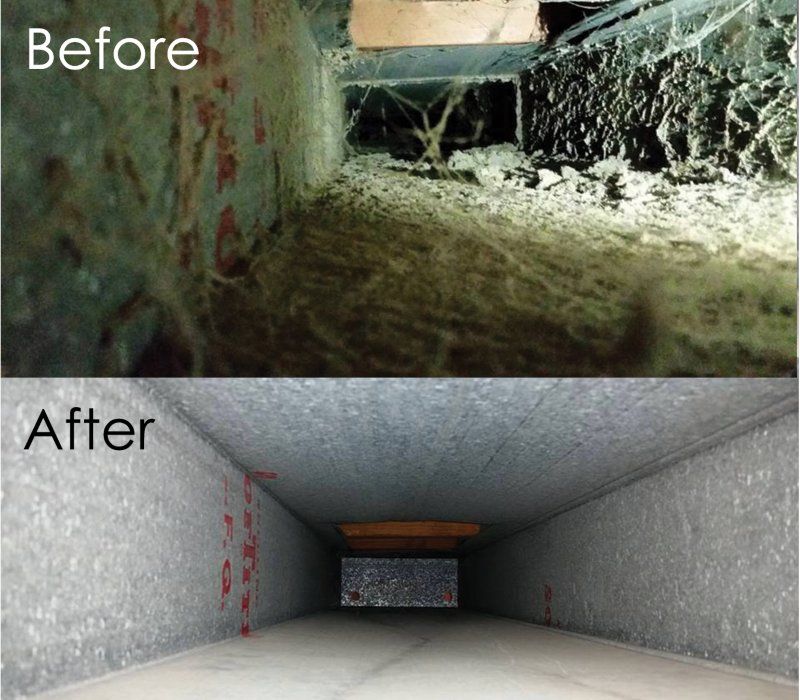
- Clean air ducts every 3-5 years: Our air duct cleaning service removes accumulated dust, mold, pollen, and debris from your ductwork. Read about signs your ducts need cleaning.
- Consider UV germicidal lights: Installed in the air handler, UV-C lights kill mold and bacteria that colonize on the evaporator coil.
Carpet, Upholstery, and Indoor Air
Soft surfaces in your home act as air filters — trapping particles that would otherwise remain airborne. This is actually beneficial, but only if those "filters" are regularly cleaned:
- Professional carpet cleaning: Every 6-12 months removes trapped allergens, mold spores, and biological contaminants. Learn how often you should clean your carpets.
- Professional upholstery cleaning: Annually for frequently used furniture. Read our upholstery cleaning guide.
- Vacuum with HEPA filtration: Standard vacuum cleaners exhaust fine particles back into the air. HEPA-equipped vacuums trap 99.97% of particles 0.3 microns and larger.
Moisture Management
Controlling indoor moisture is the single most impactful thing you can do for coastal air quality:
- Target 40-50% indoor humidity: Use a whole-home dehumidifier for consistent control
- Ventilate bathrooms and kitchens: Exhaust fans should vent to the exterior, not into the attic
- Monitor humidity: Place hygrometers in bedrooms, living areas, and any rooms that feel damp
- Address leaks immediately: Even small leaks create moisture pockets that spawn mold within 24-48 hours
- Encapsulate crawl spaces: Open crawl spaces pump ground moisture into your home continuously
Our moisture investigation can identify hidden moisture sources that compromise your air quality.
When to Take Action
If you're experiencing any of these symptoms — especially when they improve when you leave home — your indoor air quality may need attention:
- Persistent congestion or runny nose
- Frequent headaches
- Itchy, watery eyes
- Unexplained fatigue
- Worsening asthma symptoms
- Musty odors
Our comprehensive allergy relief service addresses multiple air quality factors in a single visit: carpet cleaning, duct sanitization, and surface disinfecting. Read more in our article on reducing indoor allergy triggers.
Breathe Easier With Sano Steam
Sano Steam has been improving indoor air quality in Wilmington homes since 1989. Our veteran-owned team offers chemical-free cleaning options that improve your air quality without adding new pollutants. Call (910) 350-0000 to discuss your home's air quality needs.